SOC 2 Compliance Checklist: Everything You Must Prepare Before Your Audit

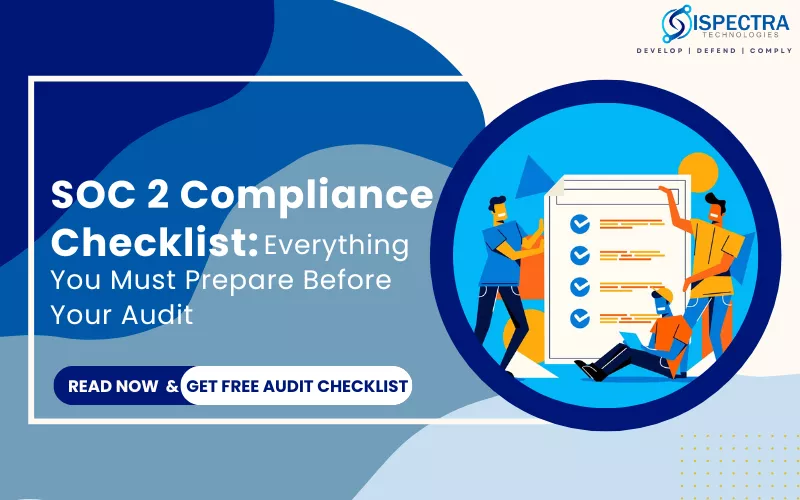
Preparing for a SOC 2 audit can be stressful, especially if it is your initial occasion for dealing with the entire process. In addition, there are several operational factors, and it’s natural to become concerned about failing to include something essential.
This SOC 2 Compliance Checklist was created for precisely that reason. It divides the procedure into distinct, doable steps so you know what to concentrate on and when. This guide helps you stay organized, collect the necessary evidence, and confidently show that your controls are operating as intended, regardless of whether you’re pursuing a Type I or Type II report.
Consider it an effective blueprint that minimizes stress, prevents time, and guides your team to meeting requirements with clarity and confidence.
Understanding SOC 2 Compliance
The AICPA created the SOC 2 (System and Organization Controls 2) methodology to assess how businesses handle consumer data using five Trust Services Criteria:
- Security
- Availability
- Processing Integrity
- Confidentiality
- Privacy
Auditors evaluate how well the systems in place adhere to these standards, which indicates having a handy SOC 2 Compliance Checklist ensures the journey in right pathway.
SOC 2 Compliance Checklist (Step-by-Step)
Aligning SOC 2 Compliance with Business Goals
A favourable SOC 2 journey begins with well-defined objectives. Begin by identifying why SOC 2 compliance is important to your company, whether it is motivated by consumer demands, regulatory standards, or internal attempts to improve security and trustworthiness.
- Consult with customers, vendors, and employees to determine requirements.
- Determine the relevant Trust Service Criteria (TSC).
- Establish explicit compliance objectives (e.g., enhancement of security preparedness and competitive advantage).
- Align SOC 2 goals with your business growth drivers.
- Assure the leadership’s willingness to devote resources and budgets.
SOC 2 Report Selection and Scope
Evaluate if a Type I or Type II SOC 2 report is required based on your organization’s requirements and capabilities and analyse the scope of the attempt to optimize the outcomes.
- Type I assessment, considers current controls and their design as of a given deadline. This is appropriate for businesses who are just beginning their compliance journey.
- Type II evaluation, intend for a more extended measure of regulation efficiency over a defined duration of time. This displays a strong, long-term commitment to data security.
- Keep in mind that the audit does not have to cover all five TSCs. A focused strategy makes it easier to concentrate on the most important factors.
- Speaking with a consultant can also help determine which kind of report is most appropriate for a given organizational setting.
- Determine which products or technologies are covered, choose the Trust Service Criteria (Security, Availability, Processing Integrity, Confidentiality, and Privacy), and explicitly record the scope of the evaluation.
Create Accountability and Enhance Team Coordination
Everyone on the team will be aware of their involvement in the procedure for compliance if explicit duties are assigned.
- Indicate who is in charge of every assignment on the evaluation a form.
- Establish systems for responsibility and monitor tasks and due dates with organizational applications.
- Call frequent meetings to go over developments, resolve issues, and provide insights.
Implement and Verify TSC Controls
Align your controls with the selected Trust Service Criteria by ensuring all required controls are addressed. Below are a few actions that might perform for a certain TSC
- Security: Install intrusion detection mechanisms, security measures, and access controls.
- Availability: Establishing backup schedules, load management techniques, and resiliency protocols.
- Integrity: Implementing data quality assurance and verification of accuracy procedures.
- Confidentiality: For highly confidential data, utilize access controls and data encryption.
- Privacy: Create rules for confidentiality that adhere to regulations.
Perform an Internal Risk Evaluation
Determine possible hazards to data security and compliance by assessing the effect and probability of different threats.
- Facilitate brainstorming and risk-compilation workshops with significant players.
- To assess risks according to their effect and potential, develop a system for evaluating them.
- Keep a risk registry containing information on hazards that have been detected and mitigating techniques.
Conduct Intervention and gap assessment
To find inconsistencies, compare current controls to SOC 2 standards. Examine every control in relation to SOC 2 standards in order to find any shortcomings.
- Sort deficiencies according to the effect they have on compliance measures and threat rating.
- Create a strategy for handling security-related problems that outlines roles, responsibilities, and processes.
- Educate employees on the new strategy so that everyone is aware of their part in reacting promptly.
Apply Required Controls and Conduct Testing
Determine which SOC 2 controls are in place and schedule the implementation of any ones which are not, incorporating the beneficiaries and deadlines.
- Develop protocols to evaluate the efficacy of controls
- Plan periodic inspections to ensure measures operate as expected.
- Evaluate and monitor achievements using the SOC 2 compliance checklist.
Preparedness Evaluation
Before the official audit starts, do a routine inspection to make sure everything is ready. Conduct internal reviews that mimic the real SOC 2 audit procedure.
- Maintain thorough documentation and easy access to all policies, processes, and proof.
- Determine any shortcomings or unexpected problems that require attention.
Finish the SOC 2 Audit
Hire a third-party auditor to evaluate compliance initiatives and produce the final audit report.
- Select a respectable company with SOC auditing experience.
- During the assessment process, be accessible for inquiries and comments.
Continuous Oversight of Controls
To sustain consistency as time goes on, evaluate controls on an ongoing basis.
- Establish mechanisms for perpetual tracking.
- Arrange for recurring evaluations of compliance status with pertinent teams.
- Modify procedures and guidelines in reaction to modifications in company operations or regulation.
A SOC 2 Compliance Checklist is a tactical plan for establishing confidence with stakeholders and clients, not just a preparation manual. Your company may successfully pass audits and show its commitment to safeguarding information by adhering to this methodical procedure and utilizing the checklist template. To make this process even easier, download our free SOC 2 Compliance Checklist template and start preparing for your audit with a clear, structured roadmap.
Ready to simplify your SOC 2 journey and pass your audit with confidence? ISpectra Technologies helps you plan, implement, and validate SOC 2 controls with expert guidance at every step. From readiness assessments to audit support, our compliance specialists ensure a smooth, stress-free experience.
Categories
- Cloud Engineering (3)
- Cloud Transformation (11)
- Cyber Security Services (24)
- DPDP (3)
- GDPR Consultants (1)
- GDPR Services (6)
- Healthcare (6)
- HIPAA (1)
- ISO 27001 certification (7)
- RCM (1)
- Revenue Cycle Management (1)
- SIEM (2)
- SOC 2 (2)
- SOC 2 Audit (28)
- SOC 2 Certification (1)
- SOC 2 Compliance (16)
- Software Engineering (6)
- Strategic Risk Management (SRM) (2)