
How is SOC 2 Report Beneficial for your Business?
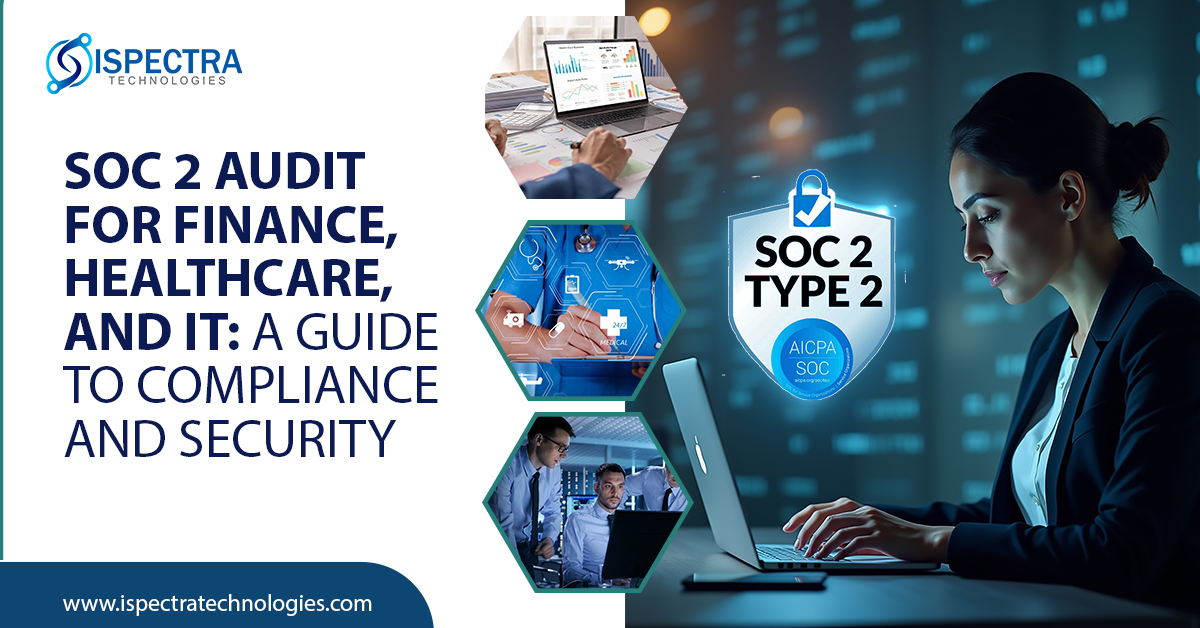
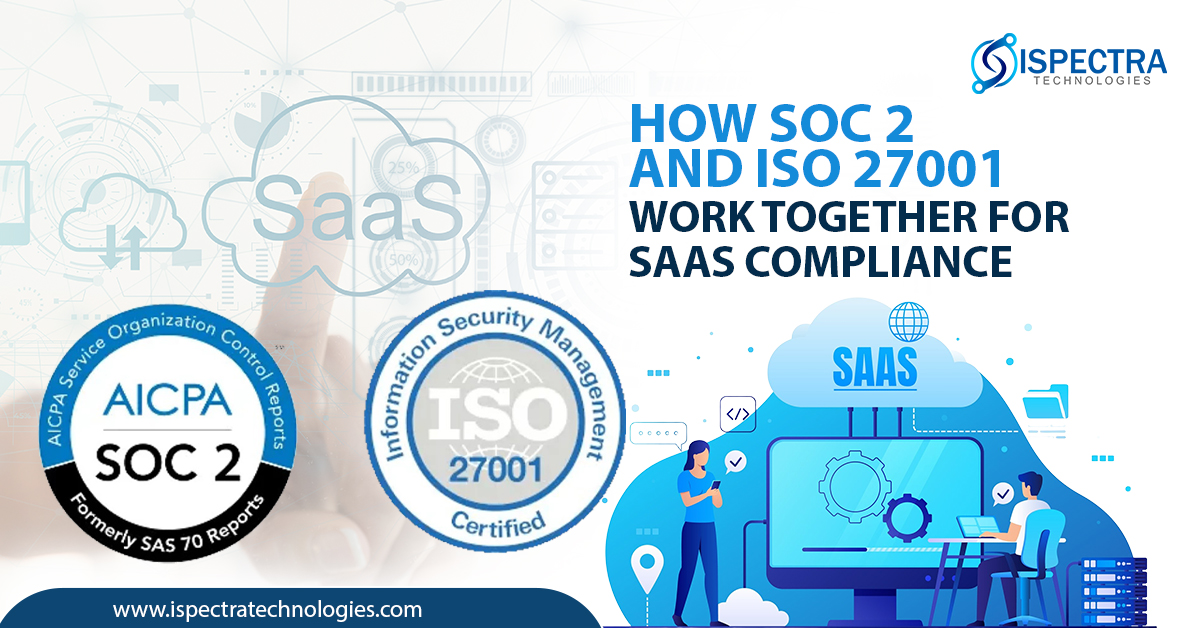
If your company provides technical solutions, the first step in earning the trust of customers is providing assurance over your scope with the AICPA’s Trust Services Criteria (TSCs) through a SOC 2 report. In particular, service organizations benefit from the following advantages of having a SOC 2 report:- Offers peace of mind that your security controls are designed and operating effectively over a period of time (Type II)
- Efficient and effective response to IT, data security, and due diligence questionnaires from customers and/or partners
- Ability to provide assurance to clients and partners that your business meets their standards, expectations, and their compliance requirements
- Helps win more customers, boost sales, and gain an advantage over the competition by creating trust
Your 8-step checklist to prepare for and pass your SOC 2 audit
The process of getting SOC 2 compliance is not as easy as going for an audit. You have to implement controls to achieve objectives of any criteria of trust services, assess the existing gaps, and eliminate all of them before the audit. However, to increase your chances of emerging successful in the audit you have to ensure that your team observes the best practices of information security controls. To assist with this, we developed an 8-stage guide for audit readiness below:-
Select your report type
- Type 1: To determines the overall efficiency of controls as applied to the organisational design in just one moment in time.
- Type 2: Takes an appraisal of the design and also efficiency of controls after some time of its implementation usual time range of take-off is 3- 12 months.
-
Understand SOC 2 audit scope and goals
-
Choose your selection of trust services
- Security: The process of preserving information and systems from misuse, leakage of information or other forms of misuse/damage.
- Availability: This type of information illustrates that information and systems are available for your organizations operation and can provide service levels which may align with those laid down in service level agreements.
- Integrity: Your systems function efficiently, effectively, as they should, in terms of time, and in ways that will help your organization meet its objectives.
- Confidentiality: The organization implement non-personal data and information collection, use, retention, disclosure, and disposal.
- Privacy: You process peoples’ personal information: collection, use, retention, disclosure and disposal appropriately.
-
Conduct a risk assessment
-
Perform the first readiness scan
-
Undertake a gap analysis and remediation
- Implementing controls
- Interviewing employees
- Control self-training of employees
- Control setup and modification
- Modifying workflows
-
Employ a procedure
-
Find a SOC 2 Auditor